7 Real Benefits of Window Tinting Beyond Privacy
Window tint reduces cabin heat by 30-65%, blocks 99% of UV radiation, holds glass together in accidents, deters theft, and can add $100-$300 to resale value.
Quick Answer: The biggest real-world benefits of window tinting are heat reduction (30-65% depending on film), UV protection (99% of UV-A and UV-B), and interior preservation. Privacy is nice but it's not even the strongest argument for tinting.
Most people think about window tint as either a privacy thing or a "cool car" thing. Both are valid reasons. But they're not the main reasons serious tint buyers invest in quality film. Here are seven benefits that are backed by real data and that make a practical difference in how you use your car.
Benefit 1: Heat Reduction, 30-65% Less Solar Heat
On a 95°F day with your car parked in direct sun, the inside of an untinted car can reach 145-190°F. Dashboard surfaces can hit 200°F. The cabin air temperature reaches 130-140°F within 20 minutes.
Window film substantially reduces this through solar energy rejection. The range depends on film type:
- Dyed film: 25-35% TSER (Total Solar Energy Rejection)
- Carbon film: 40-50% TSER
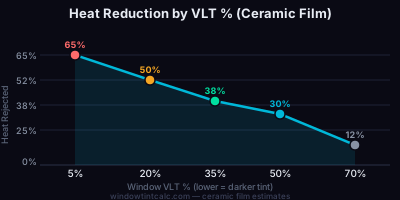
- Ceramic film: 50-70% TSER
The practical difference: quality ceramic on all windows can reduce peak cabin temperature by 30-40°F on a hot summer day. That means getting into a parked car that's 105°F instead of 145°F. The air conditioning catches up in 2-3 minutes instead of 10.
It also means your AC works less hard throughout the drive. Less load on the AC compressor means better fuel economy, reduced engine heat load, and longer AC system life. It's not a dramatic fuel savings, but it's measurable over a summer.
The key insight: VLT darkness doesn't determine heat rejection, film technology does. A 70% VLT ceramic film blocks more heat than a 20% VLT dyed film. If heat is your primary goal, choose ceramic at whatever VLT your state allows.
Use our window tint VLT tool to verify what combined VLT your planned film will produce, then pick the best film technology at that legal VLT level.
Benefit 2: UV Protection, 99% of Harmful Rays Blocked
The Skin Cancer Foundation endorses window film as an effective protection against UV-A and UV-B radiation. That's not marketing copy, it's an independent medical recommendation based on clinical data.
Window glass alone blocks UV-B effectively, but it does not block UV-A well. UV-A penetrates standard automotive glass and causes both tanning and skin damage. UV-A is also responsible for interior fading.
Quality window film blocks 99% of both UV-A and UV-B. This matters if you do long highway drives, sit in traffic regularly, or spend significant time in your car. The left side of the face and left arm get measurably more sun damage in left-hand-drive countries, and studies comparing drivers to non-drivers show elevated skin cancer rates on the driver's side.
Even light-colored or "clear" UV-blocking films, the kind you'd use in California or New York where tint laws are strict, provide full UV protection without requiring you to darken your windows at all.
Benefit 3: Glare Reduction
Eye strain from solar glare is a real driving safety issue. Driving into the sun during morning or evening commutes reduces reaction time, causes headaches, and contributes to driver fatigue.
A 35% VLT film on front side windows substantially cuts the glare angle that comes through the sides. For the windshield, most states allow a 4-6 inch non-reflective strip at the top that reduces sun-visor dependency.
Night driving deserves a mention here: very dark front window tint (below 20% VLT) actually creates a visibility and safety problem at night because it reduces the available light from streetlights and headlights of other cars. Front side window tint in the 35-50% range is the balance point, meaningful glare reduction without nighttime visibility compromise.
Benefit 4: Safety, Film Holds Glass Together
This one gets overlooked in most discussions. When automotive glass shatters, the window film acts as a containment layer that holds the broken pieces together rather than letting them spray across the interior.
In a side-impact collision, unfilmed tempered glass shatters into hundreds of small chunks. The film binds them together, reducing flying debris injuries. It's not a laminate like a windshield, the glass still breaks, but the shards stay largely contained.
This is also a factor in glass breakage from objects. A rock through an unfilmed window sprays glass into the car. A filmed window holds the broken pieces in place. The glass is still broken and needs replacement, but there's no glass shower across the interior and no immediate hazard.
Some security-grade films (thicker, typically 4-8 mil vs. standard 1.5-2 mil) are specifically designed to resist break-in attempts. Standard tint film won't stop a determined break-in, but security film requires significantly more effort to penetrate.
Benefit 5: Theft Deterrence
You can't steal what you can't see. This is the privacy argument, but framed as a theft deterrent rather than a personal preference.
Opportunistic vehicle theft and break-ins are almost always grab-and-go: a smash window, grab what's visible, run. Laptop bags, purses, shopping bags, camera equipment, child car seats with personal items, these are all targets when visible.
Dark rear tint (20% or darker on rear side windows and rear windshield, where most states allow it) makes it impossible for anyone outside the car to see what's inside. This eliminates the "visible from outside" class of vehicle break-ins.
This doesn't require going dark on front windows. The most common approach, clear or light tint on fronts (to stay legal and maintain visibility), dark tint on the rear three windows, provides privacy for rear passengers and the cargo area while keeping front window compliance.
Benefit 6: Interior Protection
Dashboards crack. Leather fades and dries. Fabric upholstery bleaches. These aren't just cosmetic issues, they're degradation of your car's interior that directly affects resale value.
The culprit is primarily UV-A radiation, with some contribution from heat cycling (extreme temperature swings cause expansion and contraction stress). UV causes the breakdown of plastics, leather dyes, and fabric fibers. Dashboard cracking is almost entirely a UV-driven phenomenon.
Window film's 99% UV blockage dramatically slows interior degradation. In practical terms:
- Dashboard: Resists cracking for significantly longer. High-UV climates (Arizona, Florida, Southern California) see dramatic differences between tinted and untinted cars over a 10-year period.
- Leather: Maintains softness and original color. Untinted car leather in sun-heavy climates dries out and cracks within 5-7 years without regular conditioning.
- Fabric/vinyl: Resists fading and bleaching.
If you're keeping a car for 10+ years, interior protection is a real financial argument for quality film. The cost of replacing a cracked dashboard on some vehicles exceeds $1,000.
Benefit 7: Resale Value Impact
This one is more modest than the interior preservation argument, but it's real. Well-maintained, professionally installed tint from a quality manufacturer adds perceived and actual value at sale time.
Specifically:
- Documented quality tint: When you can show a buyer a receipt from a reputable shop with a named ceramic film brand and a lifetime warranty, that has genuine value. You're telling them the interior has been UV-protected and the install was done right.
- Good cosmetic condition: Tint that's not bubbling, not purple, and not peeling signals a well-maintained car. The inverse is also true, bad, fading tint is a negative signal that savvy buyers notice.
- Buyer preference: A significant segment of used car buyers in hot climates specifically seek tinted vehicles. This isn't universal, but it narrows your pool of buyers less than removing tint would.
The dollar range is rough, $100-$300 additional value on a ceramic-tinted car vs. an untinted comparable is a reasonable estimate for markets where tinting is common and desirable. This doesn't always translate at auction or trade-in, but it does in private party sales.
Putting It Together
These seven benefits stack. The same film that cuts your cabin heat also protects your skin, preserves your interior, deters theft, and holds your glass together in a collision. None of these require going dramatically dark, even a light-colored ceramic film delivers all of them.
For buyers in strict states like California or New York, this reframes the choice. You can't go dark on front windows. But a 70% ceramic film, essentially invisible from outside, still delivers full UV protection, meaningful heat rejection (40-50% TSER), and glass safety benefits.
For a deeper look at which film type actually delivers these benefits (not all films perform equally), the ceramic vs. dyed window tint comparison covers TSER ratings, fade timelines, and the real cost difference.
And before any purchase, verify your legal combined VLT through the window tint percentage calculator. The benefits above only apply if you stay legal, an illegal tint that you have to remove delivers none of them.
For help choosing the specific VLT and film type that fits your goals, state, and budget, read our how to choose window tint guide for a structured decision process.