DIY vs. Professional Window Tinting: Honest Comparison
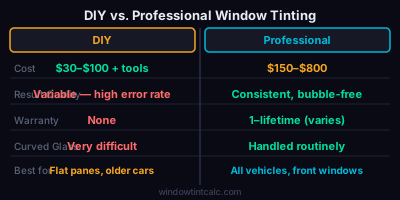
DIY tinting kits cost $30-$100 but have high failure rates on curved glass. Pros charge $150-$800 and back the work with warranties. Here's when each makes sense.
Quick Answer: DIY tinting makes sense for flat glass on cars you don't care deeply about. For front windows, curved glass, or any vehicle you want to look clean for years, pay a professional. The cost difference is real, but so is the skill gap.
There's a version of this decision where DIY is genuinely the right answer. And there's a version where it absolutely isn't. The problem is that a lot of people in the second category convince themselves they're in the first one, and end up with bubbled, peeling film they have to pay someone to remove anyway.
Here's an honest look at both paths.
What DIY Actually Involves
You're not just sticking film on a window. Here's the actual process:
Preparation (30-60 minutes): Clean the glass thoroughly, any dust, fingerprints, or contamination causes bubbles. Most instructional videos spend the first 10 minutes on this. You'll use a razor blade to scrape the glass, window cleaner, and lint-free cloths.
Cutting: Pre-cut kits for specific vehicles exist online ($40-$100). They're cut to the template of your car's windows, which helps but doesn't eliminate fit issues. Generic rolls of film require cutting to fit, which adds difficulty.
Application: Wet the glass with soapy water, peel the film backing, apply to the glass while keeping it wet (the moisture lets you reposition), squeegee out the water and bubbles, and work out air pockets. On flat glass, a patient first-timer can do this reasonably well. On curved glass, the film has to stretch or shrink to conform, this is where inexperienced hands consistently fail.
Heat forming: Curved rear windshields require heat-shrinking the film with a heat gun to conform to the curve before installation. This is a real skill. Getting it right requires practice. Getting it wrong means creases, tunneling (raised ridges where the film didn't lie flat), or tears.
Curing: After install, the windows look cloudy or have small bubbles. This is normal. You're waiting for residual water to evaporate through the film, usually 3-30 days depending on climate and film type. The mistake people make is panicking and trying to fix it immediately, which causes damage.
DIY Material Costs
- Pre-cut film kit (vehicle-specific): $40-$100
- Generic roll film (enough for one car): $30-$80
- Application toolkit (squeegee, heat gun, razor blades, spray bottle): $20-$40 if you don't own them
- Total: $50-$140
Compare this to professional install: $150-$800 depending on film type and vehicle.
The math looks good for DIY, until you account for the redo cost.
Common DIY Failure Modes
These aren't edge cases. They're what happens to most first-timers on anything beyond simple flat glass:
Dust bubbles: A speck of dust trapped under the film creates a permanent bubble. Prevention requires spotless glass and ideally a dust-controlled environment. Your garage with the door open on a breezy day is not that environment.
Creases: Film creases when it buckles under pressure. You can't uncrease film once it's creased. The crease is permanent.
Tunneling: On curved surfaces, film that didn't heat-shrink properly forms ridges (tunnels) parallel to the edge. These are visible from outside and inside.
Edge lifting: Film that's cut a millimeter too short starts lifting at the edges within months. Humidity, temperature changes, and door seal contact accelerate this.
Defroster damage: Rear windshield defrosters have heating elements printed on the glass. Going over them with a razor blade during cleaning, or applying film improperly, can damage them. A rear defroster replacement can run $200-$400.
The consequence: you've spent $50-$140 on materials and 4-8 hours of time, and now you need to pay $50-$150 for professional removal and then the cost of a professional install anyway.
When DIY Is Genuinely Reasonable
There are situations where the risk profile makes sense:
Flat rear door glass on a beater: If you're tinting a second car you don't care about aesthetically, and you're doing the flat side windows (not the curved rear windshield), a first-time DIYer can get acceptable results with patience.
Small, flat panes: Quarter windows, small triangular panes at the rear of doors, these are forgiving. Less surface area, easier to keep clean, no heat-forming required.
Replacement practice: Some people buy cheap film and a beater window from a junkyard to practice before doing their real car. That's legitimate skill-building.
You've done it successfully before: If you've done it before and know your limits, you know what you can and can't handle.
When to Pay a Professional, No Debate
Front windows: Front side windows are the most legally scrutinized, most optically critical (you're looking through them while driving), and often curved. Don't DIY these.
Rear windshield: Curved glass, defroster grids, maximum visibility glass. Professionals heat-shrink film on the car exterior before installation, then do the interior work. First-timers almost always get creasing on back windshields.
Luxury or newer vehicles: The cost of fixing a botched job on a $50,000+ car dwarfs the savings from DIY. A professional shop carries liability insurance for defroster damage and paint scratches from razor blades. Your DIY attempt doesn't.
Anywhere you want a warranty: No DIY job carries a warranty. A good professional install with quality film comes with a manufacturer warranty (often lifetime on ceramic) and a shop warranty on labor. If bubbles appear in year 2, you call the shop.
Questions to Ask a Professional Shop
Not all shops are equal. Before booking, ask:
1. What film brand and product line are you installing? (Not just "ceramic", get the specific product name)
2. What warranty do you provide, and who backs it, you or the manufacturer?
3. Do you use pre-cut film or cut on the car? Pre-cut film reduces the risk of razor damage to plastic trim. Both can produce good results in skilled hands.
4. Can I see photos of recent work? Clean edges, consistent color, no visible bubbles or tunneling.
5. What's your process for rear windshield heat forming? A shop that can walk you through their process for curved glass knows what they're doing.
The Warranty Math
Here's the real argument for professional installation beyond quality: cost protection.
A DIY job gone wrong costs you:
- $50-$140 in materials (wasted)
- $50-$150 to have a pro remove the bad film
- $150-$800 for the professional job you should have done first
Total worst case: $300-$1,100 more than just paying for professional work upfront.
A professional job with a warranty:
- If the film bubbles or peels within the warranty period, they fix it free
- If there's defroster damage, a reputable shop covers the repair
- You have recourse
The window tint cost breakdown has a full breakdown of what professional installs cost by vehicle type and film category, so you can compare real numbers.
Before any install, DIY or professional, verify your legal combined VLT. Use our window tint VLT calculator to run the calculation: your factory glass VLT × your chosen film VLT ÷ 100 = what the inspector sees. Getting the legal limit wrong on a DIY job that you're then pulled over for is the most expensive outcome of all.
For more on install quality and what can go wrong, our common tinting mistakes guide covers the eight most frequent errors in detail, several of which apply equally to DIY attempts and shops that cut corners.
To learn more about our team and how we approach tint calculation accuracy, visit our about page.